.png?width=500&height=150&name=Your%20paragraph%20text%20(500%20x%20150%20px).png "TanyaByte")
The Power of Influencer Marketing in Gaming: How Creators Drive Real Growth
Gamer Community Influencer & Creator Marketing Gaming Marketing Dec 9, 2025 1:36:04 PM TanyaByte 15 min read
Introduction
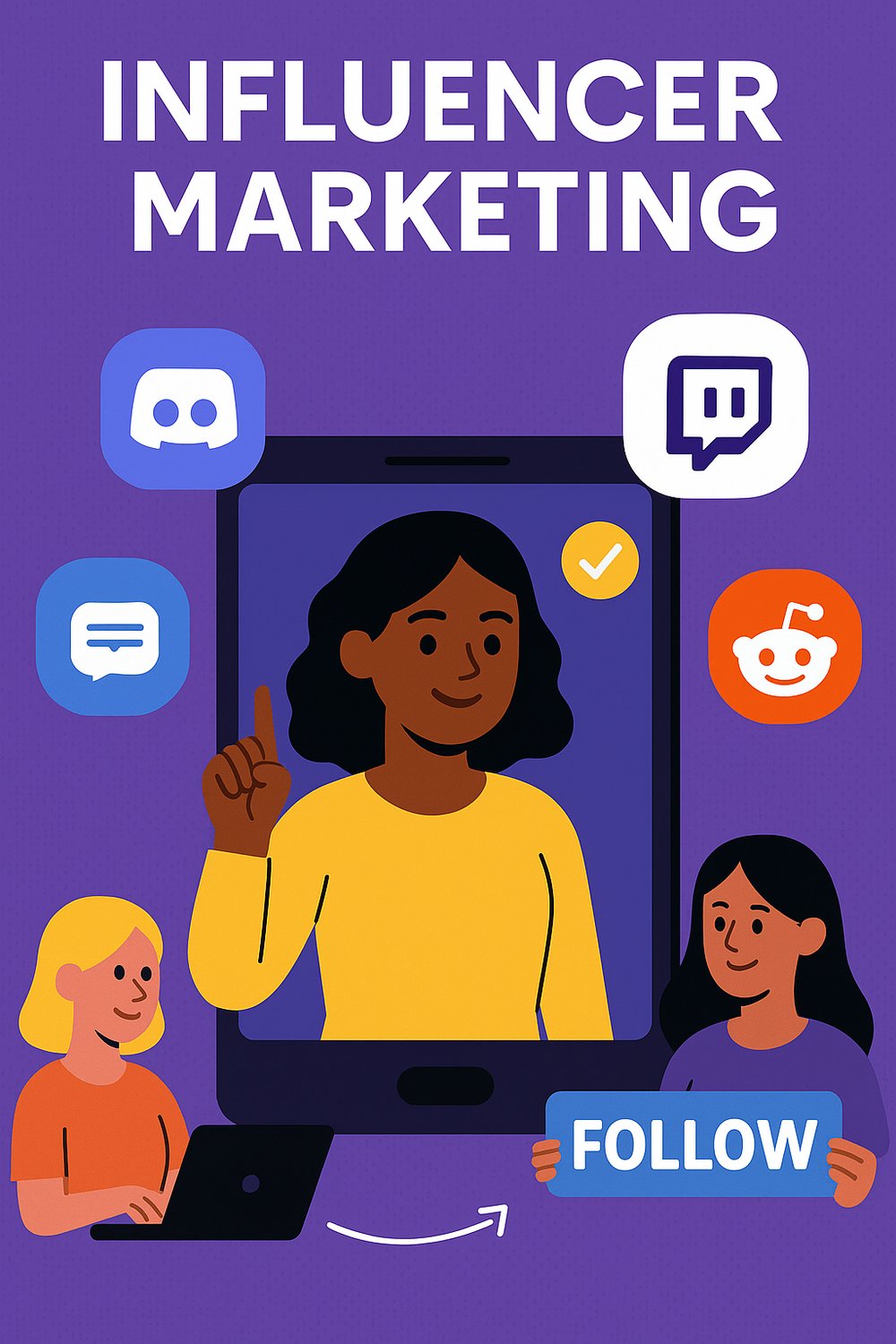
Influencer marketing has become one of the most powerful tools in the gaming industry. Unlike traditional advertising, which often struggles to resonate with players, creators bring authenticity, trust, and cultural fluency that gamers immediately respond to. They shape opinions, spark trends, introduce new games, and create emotional connections that no brand-led campaign can replicate.
As gaming audiences continue to expand across platforms like TikTok, Twitch, and YouTube, the influence of creators grows right alongside them. Yet many brands still misunderstand how to collaborate with influencers effectively — choosing the wrong creators, using scripted content, or focusing on metrics that don’t reflect real impact.
In this article, you’ll learn:
-
What influencer marketing is and how it works in gaming
-
Why creators hold so much power in shaping player behavior
-
How to build effective, culturally aligned influencer campaigns that actually convert
By the end, you'll understand why influencers are essential to modern gaming marketing — and how your brand can leverage them the right way.
What Is Influencer Marketing in Gaming?
Influencer marketing in gaming refers to collaborating with creators who have built trust, credibility, and cultural influence within gaming communities. These creators can include:
-
Streamers
-
TikTok gaming influencers
-
Esports personalities
-
Content creators across niche game genres
A simple analogy:
Influencers are the “local guides” of the gaming world.
Players trust them because they live inside the culture — they speak the language, understand the humor, and share the same passions.
Influencers do more than promote a product. They:
-
Shape player opinions
-
Introduce new games
-
Demonstrate products authentically
-
Build emotional connections
-
Spark trends and memes
-
Foster community discussion
And unlike traditional ads, creators add a personal layer that makes promotions feel like recommendations, not sales pitches.
Why Influencer Marketing Matters in Gaming
1. Gamers Trust Creators More Than Brands
According to YouTube Gaming Trends (https://trends.google/trends/explore), gamers rely heavily on creators when deciding whether to try a new game or purchase gaming products.
Why?
Because creators feel like peers — authentic voices within the community.
2. Creators Understand Platform Culture
Each platform has its own style:
-
TikTok → fast, humorous, unpolished
-
Twitch → interactive, long-form, personality-driven
-
YouTube → edited, story-focused, educational or entertaining
Creators know what works on their platform better than marketers ever could.
3. Influencers Create Content That Feels Native
Corporate ads interrupt.
Creator content blends seamlessly into player feeds.
This makes viewers more receptive — and significantly boosts engagement.
4. Creators Drive Massive Organic Reach
Gamers constantly share creator clips, reactions, memes, and highlights.
Influencers don’t just broadcast — they spark conversations.
5. Influencers Build Trust Faster Than Brands
A creator’s endorsement carries emotional weight.
When trust exists, recommendations feel natural.
6. Influencer Content Improves Paid Ad Performance
Many brands now repurpose creator-style content for:
-
TikTok ads
-
Meta ads
-
YouTube ads
-
In-app ads
These outperform traditional ads because they look and feel like entertainment, not marketing.
How to Build an Effective Influencer Marketing Strategy (Step-by-Step)
Influencer marketing only works when done intentionally.
Here’s the exact process brands should follow to ensure long-term success.
Step 1: Define Your Campaign Goal and Player Persona
Before choosing creators, understand:
-
What do you want to achieve
-
Which players do you want to reach
-
Why they should care
Common goals include:
-
Increasing awareness of a new game
-
Boosting downloads
-
Re-engaging current players
-
Promoting a new update or event
-
Growing sales for gaming products
Why this step works:
Clarity leads to better creator selection, stronger messaging, and measurable success.
Internal link: Digital Advertising Service Page
Step 2: Identify the Right Creators (Based on Alignment, Not Size)
Avoid choosing influencers solely based on follower count — this is one of the most common brand mistakes.
Instead, choose creators based on:
-
Game genre alignment
-
Tone and personality
-
Community values
-
Audience age and interests
-
Engagement consistency
-
Cultural influence within their niche
Types of creators to consider:
-
Macro-creators: Massive reach but lower intimacy
-
Micro-creators: Highly loyal, tight-knit communities
-
Nano-creators: Extremely authentic, small but influential
-
Esports personalities: Competitive appeal
-
Variety creators: Broad but entertainment-focused
Why this step works:
Relevance and authenticity create better conversions than size alone.
Internal link: Influencer Marketing Service Page
External link: TikTok Creator Marketplace — https://creatormarketplace.tiktok.com/
Step 3: Give Creators Creative Freedom
Creators know what resonates with their audience — brands don’t.
When brands over-script content, it becomes:
-
Awkward
-
Forced
-
Clearly promotional
-
Unshareable
Do this instead:
-
Give guidelines, not scripts
-
Provide key talking points, not paragraphs
-
Trust the creator’s voice
-
Let them interpret your message
Why this step works:
Authenticity = trust
Trust = conversions
Step 4: Collaborate Across Platforms (Not Just One)
Different platforms drive different results.
Platform strengths:
-
TikTok → viral reach, humor, trends
-
Twitch → deep engagement, relationship building
-
YouTube → long-term discoverability
-
Twitter/X → conversation + meme culture
-
Instagram → aesthetics, lifestyle crossover
Why this step works:
Multi-platform campaigns reach players in multiple contexts, increasing impact and brand recall.
External link: YouTube Culture & Trends — https://www.youtube.com/trends
Step 5: Build Long-Term Creator Relationships
One-off sponsorships feel transactional.
Long-term partnerships feel genuine.
Benefits of long-term creator collaborations:
-
Higher trust
-
More natural integration
-
Deeper storytelling
-
Stronger community alignment
-
More cost-effective over time
Creators become brand ambassadors — not just ad slots.
Step 6: Track the Right Metrics (Not Just Views)
Brands often measure the wrong metrics, such as:
-
Follower count
-
Total views
-
Likes
These don’t reflect influence.
Better metrics include:
-
Click-through rate
-
Watch time
-
Comment sentiment
-
Discord joins
-
Download spikes
-
Retention after creator campaigns
-
Conversion funnel performance
Why this step works:
Real influence = real action, not vanity numbers.
Internal link: Community Building Service Page
Step 7: Integrate Influencer Content into Your Broader Marketing Strategy
Creator content can be repurposed into:
-
Paid ads
-
Website content
-
Email campaigns
-
In-game announcements
-
Social media posts
This multiplies your value.
Why this step works:
Maximizes ROI by extending the lifespan of creator content.
Common Mistakes to Avoid
1. Choosing Creators Based on Size Instead of Fit
Misalignment kills authenticity.
2. Over-Scripting Creator Content
Players can tell when a creator feels uncomfortable.
3. Ignoring TikTok, TikTok Live, and Shorts
Short-form platforms dominate gaming discovery.
4. Treating Creators Like Transactions
Influence comes from relationship, not payment.
5. Expecting Instant ROI
Influencer marketing builds trust — and trust takes time.
Conclusion
Influencer marketing has become essential in today’s gaming ecosystem. Creators hold cultural influence, community trust, and platform fluency that no traditional marketing campaign can replicate. They humanize brands, shape player behavior, and spark conversations that lead to long-term growth.
The brands that succeed in gaming are the ones that:
-
Partner with creators who genuinely align with their audience
-
Give influencers creative freedom
-
Prioritize long-term relationships
-
Use creator content across multiple platforms
-
Measure real impact, not vanity metrics
If you’ve followed this whole 3-part series, you now understand:
-
Why traditional marketing fails (Blog 1)
-
How gamer communities form and thrive (Blog 2)
-
And how creators bring it all together through influence (Blog 3)
TanyaByte
Tanya is the founder of TanyaByte, a gaming-focused marketing brand built around creator-led growth and community-first strategy. With a deep understanding of gamer culture, Tanya helps brands work authentically with gaming influencers across streaming, social, and community platforms.